
The anticipation of winning
The psychology of anticipation plays a crucial role in the allure of casino games. Players often experience a heightened level of excitement as they wait for outcomes, whether it’s the spin of a slot machine or the dealing of cards. This anticipation triggers the brain’s reward system, releasing dopamine, a feel-good neurotransmitter. As players engage in these games, the thrill of potential victory intensifies, creating a cycle of excitement and engagement that keeps them returning for more. For those seeking the ultimate thrill, the best online casino can provide an exhilarating experience that captivates players, making them vulnerable to the magic of chance.
Moreover, the concept of near-misses can further amplify players’ anticipation. When a player narrowly misses winning a jackpot on a slot machine, their brain can interpret this as a signal that a win is ‘just around the corner.’ This psychological phenomenon can lead to continued play, as individuals are enticed by the belief that they are close to a significant win. Hence, the design of many casino games is intentionally crafted to create these moments of tension and excitement. Game developers often use visual and auditory cues to enhance these experiences, making players feel as if they are on the brink of success, thus prolonging their engagement with the game.
Finally, the environment of a casino also enhances the anticipation factor. Bright lights, engaging sounds, and the vibrancy of fellow players contribute to an immersive experience. This sensory overload ensures players remain engaged and excited as they prepare to take their next gamble. The atmosphere of excitement and the energy of a bustling casino floor create a unique social context that heightens anticipation. In this manner, the combined elements of anticipation and sensory stimulation have a profound impact on the psychology of casino gaming, making it a thrilling experience that captivates many.
The role of risk and reward
Risk and reward dynamics are foundational principles in understanding why people are drawn to casino games. The thrill of placing a bet often hinges on the potential reward that accompanies it. Players must balance their risk tolerance with the possible benefits of a win, creating a complex psychological interplay. For many, the idea of risking a small amount for a chance at a larger reward can be exhilarating, embodying the age-old notion of ‘nothing ventured, nothing gained.’ This risk-reward relationship often makes the gaming experience feel like a gamble beyond just money, appealing to individuals’ desires for adventure and excitement.
Additionally, the excitement associated with high-risk games can be attractive to individuals seeking an adrenaline boost. The uncertainty of outcomes instills a sense of adventure, transforming the gaming experience into a chase for thrill and excitement. For some players, the rush of risking their money is a way to escape mundane routines, injecting a dose of excitement and unpredictability into their lives. This allure of risk can be compelling, as it taps into deep-seated human instincts related to survival and competition, making the act of betting feel more significant.
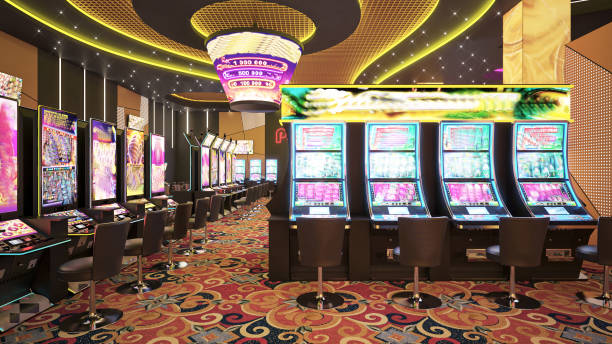
Furthermore, casinos often employ various strategies to enhance the risk-reward experience. This includes offering bonuses, progressive jackpots, and high-stakes tables that lure players with the promise of life-changing wins. By understanding the psychological implications of risk-taking, casinos can refine their offerings, making them more appealing to a diverse range of players who thrive on the thrill of the unknown. The clever manipulation of risk and reward not only keeps players engaged but also fosters a belief that they are in control of their outcomes, even in a game based predominantly on chance.
The influence of social interaction
Social interaction is another vital aspect of the psychology behind casino games. Many players enjoy the camaraderie that comes with gambling, whether it’s chatting around a poker table or celebrating wins together at slot machines. This social dimension can make gambling feel more rewarding, as shared experiences foster a sense of community and belonging among players. The bonding over shared risks and victories can enhance the enjoyment of the games, making the experience more memorable. Social interactions can also serve as a form of validation, as players seek approval and camaraderie from their peers.
Additionally, the competitive nature of certain casino games, such as poker, creates an engaging atmosphere that draws people in. Players are not merely gambling against the house; they are also competing against one another, which adds an extra layer of excitement. This competition can lead to increased stakes, social interaction, and an adrenaline rush, amplifying the psychological thrill of participating in casino games. The shared tension and excitement during high-stakes games can create unforgettable memories, whether through moments of triumph or near misses.
Moreover, casinos often host events and tournaments that facilitate socialization among players. These gatherings allow individuals to connect, strategize, and share experiences, deepening the social bond associated with gaming. This social engagement not only enhances the player’s experience but also contributes to the casino’s vibrant atmosphere, encouraging new players to join in, thus perpetuating the cycle of engagement. By fostering a social environment, casinos not only enhance the gaming experience but also create loyal communities that return not just for the games, but for the social connections they build.
The emotional rollercoaster of winning and losing
The emotional experience of gambling encompasses a rollercoaster of highs and lows that can significantly impact an individual’s psychology. Winning can trigger an overwhelming sense of euphoria, often described as a natural high, leading to increased confidence and excitement. This feeling is often coupled with the release of endorphins, which can reinforce the desire to keep playing, seeking out that next win. Players might find themselves chasing the thrill of victory, struggling to replicate the sensation experienced during past successes. This emotional high can create a feedback loop where the player feels compelled to continue gambling to experience that rush again.

Conversely, losing can induce feelings of disappointment and frustration, which prompts a multitude of emotional responses. Players may initially feel motivated to recoup their losses, leading to a cycle of continued play. This phenomenon often manifests as a gambler’s fallacy, where individuals believe that they must eventually win, especially after a series of losses. This psychological trap can be detrimental, as it may result in irrational betting behaviors fueled by the hope of a comeback. The emotional turmoil associated with losses can often lead to compulsive gambling behaviors, as players seek to escape their negative feelings.
Understanding these emotional dynamics is essential for players to manage their gambling experiences effectively. Being aware of the emotional highs and lows can help individuals make more informed decisions and establish healthier boundaries. Ultimately, the interplay of winning and losing shapes the overall gaming experience, intertwining excitement and emotional investment in a way that keeps players returning to the tables. By acknowledging this emotional rollercoaster, players can develop strategies to cope with the inevitable ups and downs of gambling, promoting a healthier relationship with the games.
Enhancing your gaming experience
For those looking to elevate their gaming experience, understanding the psychological elements at play can be beneficial. Recognizing the impact of anticipation, risk, social interaction, and emotional responses can help players approach gaming with a strategic mindset. Instead of merely seeking wins, individuals can focus on enjoying the experience, heightening their engagement while managing expectations. This shift in perspective can lead to a more balanced approach to gaming, where the enjoyment of the experience is prioritized over the outcome.
Moreover, many platforms provide valuable resources and tools to assist players in navigating their gaming journeys. These platforms often offer insights into responsible gaming practices, emphasizing the importance of setting limits and sticking to budgets. By adopting a responsible approach, players can enjoy the thrill of casino games while minimizing potential negative consequences, fostering a balanced gaming relationship. This responsible mindset can enhance the overall experience, allowing players to indulge in the excitement without falling prey to the pitfalls of compulsive gambling.
Ultimately, the excitement of casino games lies in their intricacies and the interplay of psychology. By appreciating the nuances of these experiences, players can cultivate a deeper understanding of their motivations and emotions. This mindfulness can lead to a more enriching gaming journey, amplifying the joy of the experience while ensuring that it remains a source of entertainment. Engaging with the psychological aspects of gaming not only enhances the thrill but also empowers players to make informed decisions, ensuring that their gaming experiences are both enjoyable and sustainable.